The Best Detox Drinks for Weight Loss: Recipes and Benefits
Discover the best detox drinks for weight loss, including lemon-ginger and cucumber-mint recipes. Registered dietitians suggest these aid hydration and metabolism.
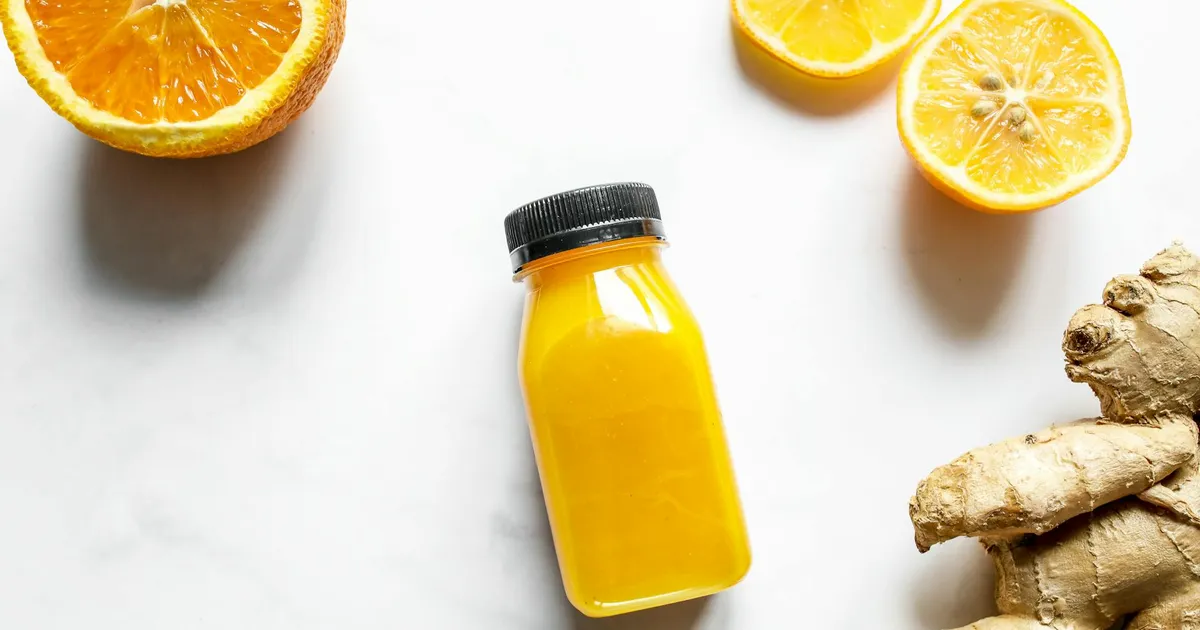
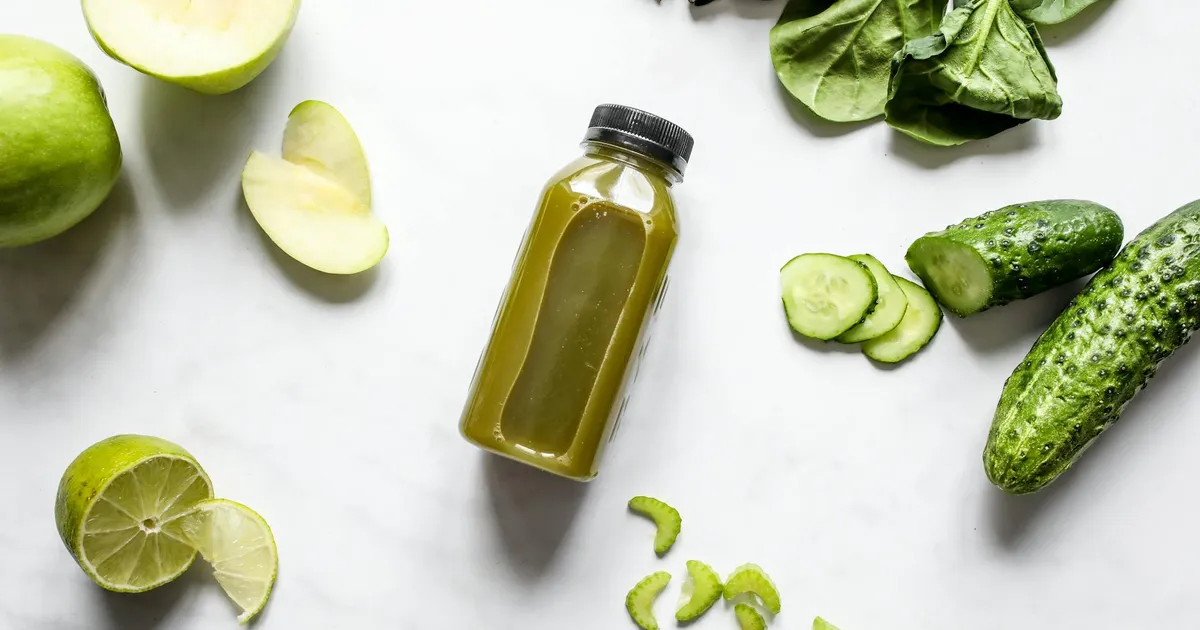
The best detox drinks for weight loss often feature ingredients like lemon, ginger, and cucumber, which support hydration and may aid metabolic function. Registered dietitians suggest these beverages can complement a balanced diet and regular exercise for individuals seeking to manage their weight. Simple recipes, such as lemon water with a slice of ginger, can be prepared in under 5 minutes.
How It Works
Detox drinks primarily support weight management by increasing fluid intake, which can promote satiety and reduce overall calorie consumption. Many recipes incorporate diuretic ingredients like cucumber, which may help reduce temporary fluid retention and bloating. Some ingredients, such as ginger, contain thermogenic compounds that research suggests could slightly increase metabolic rate. The fiber content in certain blended drinks can also contribute to feelings of fullness, potentially curbing appetite for several hours.
Proven Benefits
- Hydration Support: Consuming 2 liters of water daily, often through these drinks, helps maintain bodily functions and can improve energy levels.
- Reduced Bloating: Diuretic ingredients like cucumber and lemon may help flush excess sodium and water, reducing temporary puffiness within 3-5 hours.
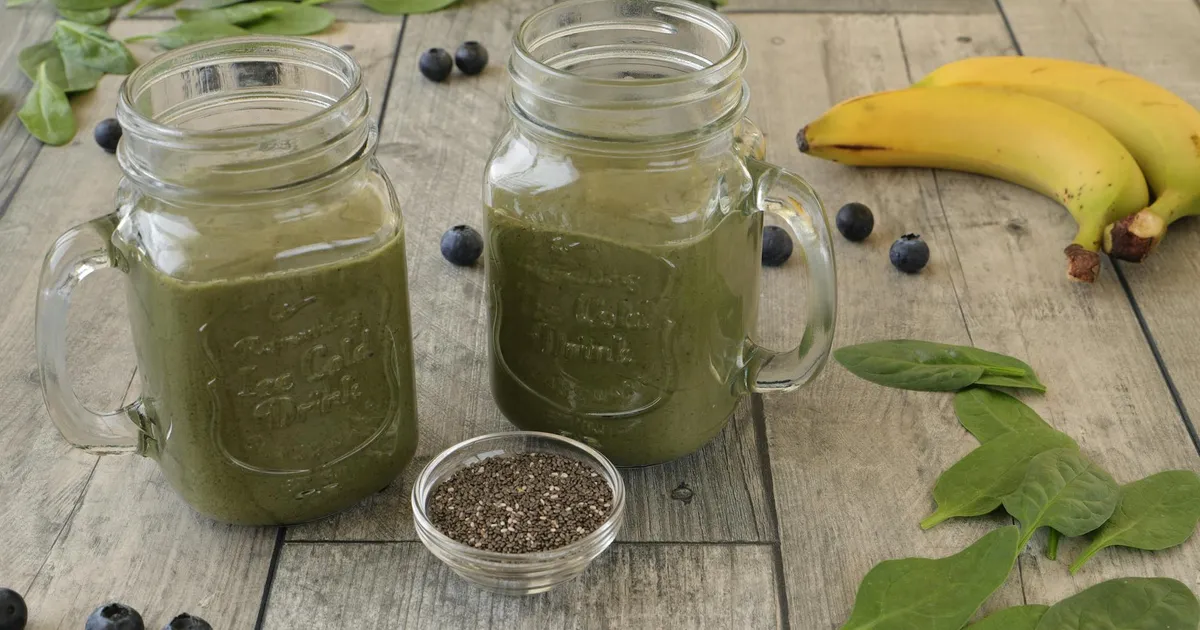
- Appetite Regulation: High-fiber blends, such as those with blended fruits and vegetables, can promote satiety and reduce snacking for up to 6 hours.
- Metabolic Boost: Ingredients like ginger and cinnamon contain compounds that research suggests may slightly increase thermogenesis, potentially aiding calorie burning.
- Vitamin C Intake: Lemon-based drinks provide vitamin C, an antioxidant that supports immune function and overall health.
What Science Actually Says
The term “detox” often implies ridding the body of toxins, a process primarily handled by the liver and kidneys. While detox drinks do not “cleanse” organs, research suggests their ingredients can support these natural processes. For example, the nitrates in beets, often used in detox drinks, are indicated to improve blood flow. The benefits for weight loss are largely attributed to increased hydration, potential appetite suppression from fiber, and minor metabolic increases from thermogenic compounds, rather than direct fat burning. Evidence for significant, long-term weight loss solely from detox drinks is limited; they are best viewed as a supportive measure within a broader healthy lifestyle.
Risks and Warnings
- Electrolyte Imbalance: Excessive consumption of highly diuretic drinks without adequate electrolyte replacement can lead to imbalances, causing fatigue or muscle cramps.
- Blood Sugar Fluctuations: Drinks with high fruit content, especially without fiber, can cause rapid blood sugar spikes, particularly concerning for individuals with diabetes.
- Drug Interactions: Certain ingredients, like ginger, may interact with blood-thinning medications, increasing the risk of bleeding.
- Digestive Upset: Large quantities of acidic ingredients, such as lemon juice, can exacerbate acid reflux or cause stomach discomfort in sensitive individuals.
How to Do It Right
- Lemon-Ginger Water: Mix the juice of 1 lemon (~2 tablespoons) with 1 inch of grated ginger in 500 ml of warm water. Drink once daily in the morning.
- Cucumber-Mint Refresher: Combine 1 cup sliced cucumber and 10-12 fresh mint leaves with 1 liter of water. Let it infuse for at least 1 hour before consuming throughout the day.
- Beet-Carrot Blend: Blend 1 small beet, 1 medium carrot, 1/2 cup water, and the juice of 1/2 lemon. Drink immediately, up to two times per week.
- Apple Cider Vinegar Tonic: Mix 1-2 tablespoons of apple cider vinegar with 250 ml of water. Drink 30 minutes before a meal, no more than once daily.
- Hydration Focus: Aim to consume 2 liters of water-based detox drinks daily, alongside a balanced diet, for best results within 7-10 days.
Who Should Try It
- Individuals Seeking Hydration: Those who struggle to drink enough plain water and prefer flavored alternatives.
- People with Mild Bloating: Individuals experiencing temporary fluid retention and seeking natural diuretic support.
- Support for Healthy Eating: People looking for a complementary beverage to enhance a calorie-controlled diet and exercise routine.
Who Should Avoid It
- Pregnant or Breastfeeding Individuals: Specific ingredients may not be safe, and adequate nutrition is crucial during these stages.
- Individuals with Kidney Disease: Diuretic effects can strain compromised kidneys; consult a nephrologist.
- People on Diuretics or Blood Thinners: Ingredients like ginger can interact with medications, requiring medical supervision.
- Individuals with Gastric Ulcers or Acid Reflux: Highly acidic drinks can worsen symptoms.
- Diabetics: High-sugar fruit blends can negatively impact blood glucose control.
FAQ
Q: How long should I drink detox drinks for weight loss? A: For general hydration and mild support, consuming these drinks for 3-7 days is common. For longer durations, consult your healthcare provider.
Q: Can detox drinks replace meals? A: No, detox drinks are not meal replacements. They lack sufficient calories, protein, and essential nutrients for sustained energy and health.
Q: Will these drinks cause me to lose weight quickly? A: Any rapid weight loss observed is typically due to fluid loss, not significant fat reduction. Sustainable weight loss requires dietary changes and exercise.
Q: Can I add sweeteners to these detox drinks? A: Adding sugar or artificial sweeteners can negate potential benefits. Opt for natural flavors from fruits and herbs instead.
Q: Are there any specific times of day to drink them? A: Many prefer drinking them in the morning to kickstart hydration, or throughout the day to support satiety and fluid intake.