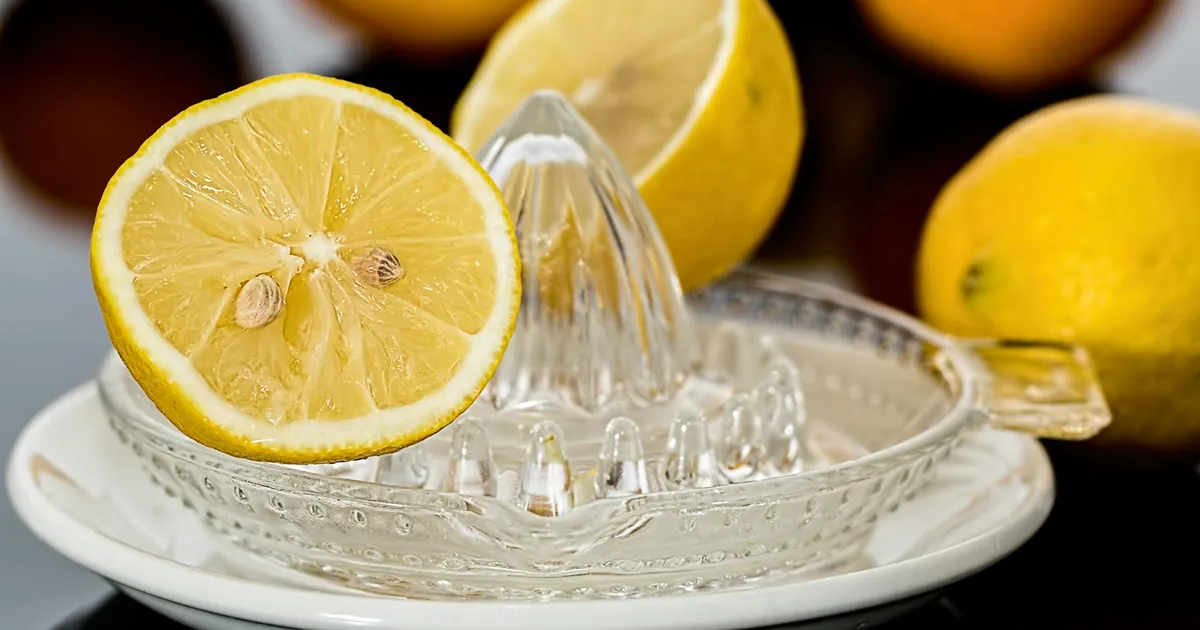
How to Use a Citrus Juicer for Fresh Juice
Learn how to use a citrus juicer effectively. This guide covers preparation, juicing techniques, and tips for maximum yield when using a citrus juicer.

This guide details the process of using a citrus juicer to extract fresh juice from various fruits. Proper technique ensures maximum yield and optimal flavor from your citrus.
What You’ll Need
- Citrus fruits (lemons, limes, oranges, grapefruits)
- Citrus juicer (manual reamer, handheld squeezer, or electric model)
- Sharp knife
- Cutting board
- Bowl or pitcher to collect juice
- Strainer (optional, for pulp-free juice)
Step 1: Select and Wash Citrus Fruits
Choose ripe citrus fruits that feel heavy for their size, indicating high juice content. Rinse the fruits thoroughly under cold running water for 15-20 seconds to remove dirt or pesticides.
Step 2: Prepare the Juicer
Assemble your citrus juicer according to the manufacturer’s instructions. Ensure the reamer, strainer, and juice collector are securely in place. For electric models, plug it into a power outlet.
Step 3: Cut the Fruit
Slice each citrus fruit in half using a sharp knife. Cutting horizontally often exposes more of the fruit’s flesh, potentially yielding more juice.
Step 4: Extract the Juice
Place one fruit half, cut-side down, onto the juicer’s reamer. Apply gentle, consistent pressure and twist the fruit back and forth. Continue twisting for about 15 seconds until most of the juice is extracted. Repeat with remaining fruit halves.
Step 5: Strain the Juice (Optional)
Pour the freshly extracted juice through a fine-mesh strainer into a clean bowl or pitcher. This step removes any seeds or unwanted pulp, resulting in smoother juice.
Tips and Best Practices
- Warm fruits slightly by rolling them on a counter or microwaving for 10-15 seconds; this can increase juice yield.
- Apply firm, but not excessive, pressure to avoid damaging the fruit or juicer.
- For manual juicers, rotate the fruit in both directions for comprehensive juice extraction.
- Juice immediately after cutting to prevent vitamin loss and maintain freshness.
- Consider a cold press juicer for maximum nutrient retention and longer-lasting juice, as detailed in our Cold Press Juicer Benefits Guide.
Common Mistakes
- Using unripe fruit: Unripe citrus contains less juice and can taste bitter.
- Insufficient pressure: Not pressing firmly enough leaves juice in the fruit.
- Over-pressing: Grinding too hard can release bitter oils from the peel into the juice.
- Not washing fruit: This can introduce contaminants into your fresh juice.
FAQ
Q: What type of citrus juicer is best for lemons and limes? A: Handheld reamers or squeezer juicers are highly effective for smaller fruits like lemons and limes, offering good control.
Q: How do I clean my citrus juicer after use? A: Disassemble the juicer and rinse all components immediately with warm, soapy water to prevent pulp from drying and sticking.
Q: Can I juice other fruits in a citrus juicer? A: Citrus juicers are specifically designed for citrus fruits; other fruits may not fit or yield juice effectively with this design.