Liver Cleanse Natural Remedies: A Comprehensive Guide
Explore effective liver cleanse natural remedies to support liver function. Learn about proven benefits, risks, and how to do it right, according to health experts.
Intro
Liver cleanse natural remedies aim to support the liver’s natural detoxification processes, which registered dietitians confirm are continuous. While some wellness trends promote aggressive “detoxes,” the focus should be on daily habits that aid this vital organ. The liver, located in the upper right abdomen, acts as the body’s primary filter.
How It Works
The liver continuously filters harmful substances, converting them into water-soluble molecules for excretion. It produces bile, essential for breaking down fats and absorbing fat-soluble vitamins like A, D, E, and K. This organ also metabolizes nutrients from food into energy and stores glucose for quick boosts. The liver regulates hormones such as estrogen and testosterone by breaking down excess amounts.
Proven Benefits
- Supports Toxin Filtration: Research suggests certain compounds in foods like cruciferous vegetables can enhance the liver’s ability to convert toxins into excretable forms.
- Aids Bile Production: Artichoke extract, for instance, has been shown in studies to stimulate bile flow, which helps with fat digestion.
- Assists Nutrient Metabolism: A balanced diet with adequate protein and micronutrients provides the necessary building blocks for the liver’s metabolic functions.
- Helps Hormone Regulation: Fiber-rich foods support the excretion of excess hormones, reducing the liver’s burden in breaking them down.
- Maintains Blood Sugar Balance: According to registered dietitians, a diet low in refined sugars and high in whole foods helps the liver manage glucose release and storage efficiently.
What Science Actually Says
The concept of “liver cleansing” often faces skepticism from medical professionals, who point out the liver naturally detoxifies itself. While specific foods and herbs show promise in supporting liver function, claims of “flushing out” toxins lack strong scientific backing. Research indicates compounds in certain foods can enhance specific liver enzymes involved in detoxification, but this differs from a complete “cleanse.” More rigorous clinical trials are needed to substantiate many popular liver cleanse claims.
Risks and Warnings
- Nutrient Deficiencies: Restrictive cleanse diets can lead to inadequate intake of essential vitamins, minerals, and protein over time.
- Electrolyte Imbalance: Aggressive detox protocols, like excessive fluid intake or laxative use, can disrupt electrolyte balance, posing risks to heart function.
- Drug Interactions: Certain herbs and supplements used in cleanses can interact with prescribed medications, such as blood thinners or diabetes drugs.
- Gastrointestinal Distress: Symptoms like nausea, diarrhea, or abdominal pain are common side effects of some cleanse programs.
How to Do It Right
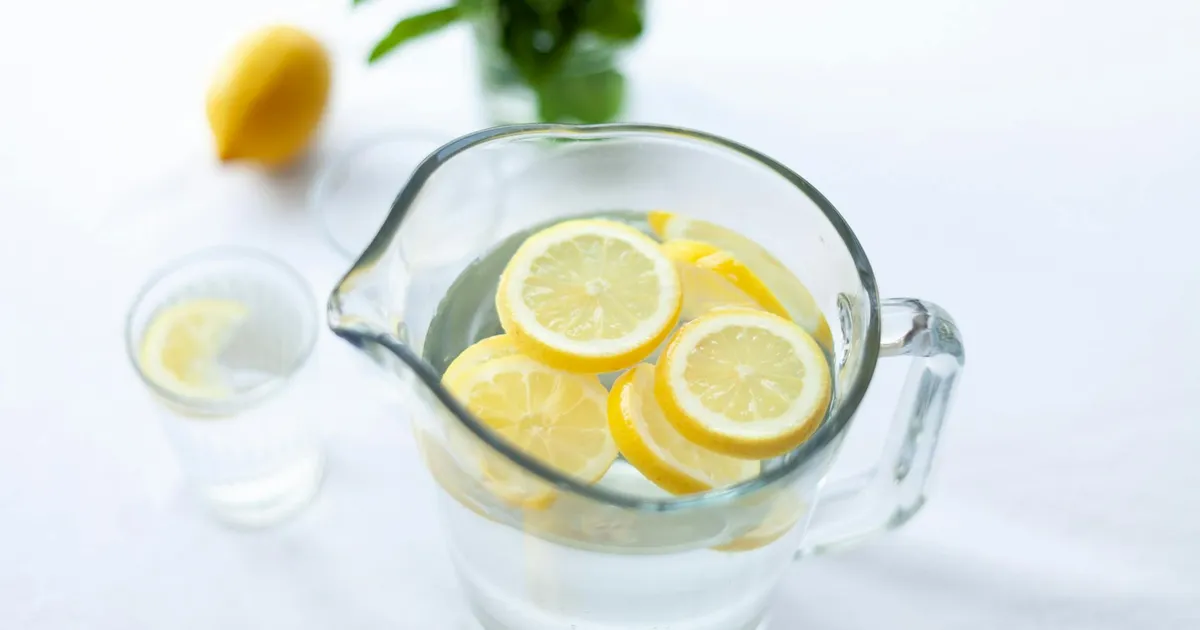
- Hydrate with Lemon Water: Start your day with 8-16 ounces of warm water mixed with the juice of 1 lemon (~2 tablespoons). This supports hydration and bile flow, as detailed in Warm Lemon Water In The Morning Benefits.
- Increase Fiber Intake: Aim for 25-35 grams of fiber daily from fruits, vegetables, and whole grains to aid toxin elimination.
- Incorporate Cruciferous Vegetables: Consume at least 1-2 cups daily of broccoli, cauliflower, or Brussels sprouts, which contain compounds that support liver enzymes.
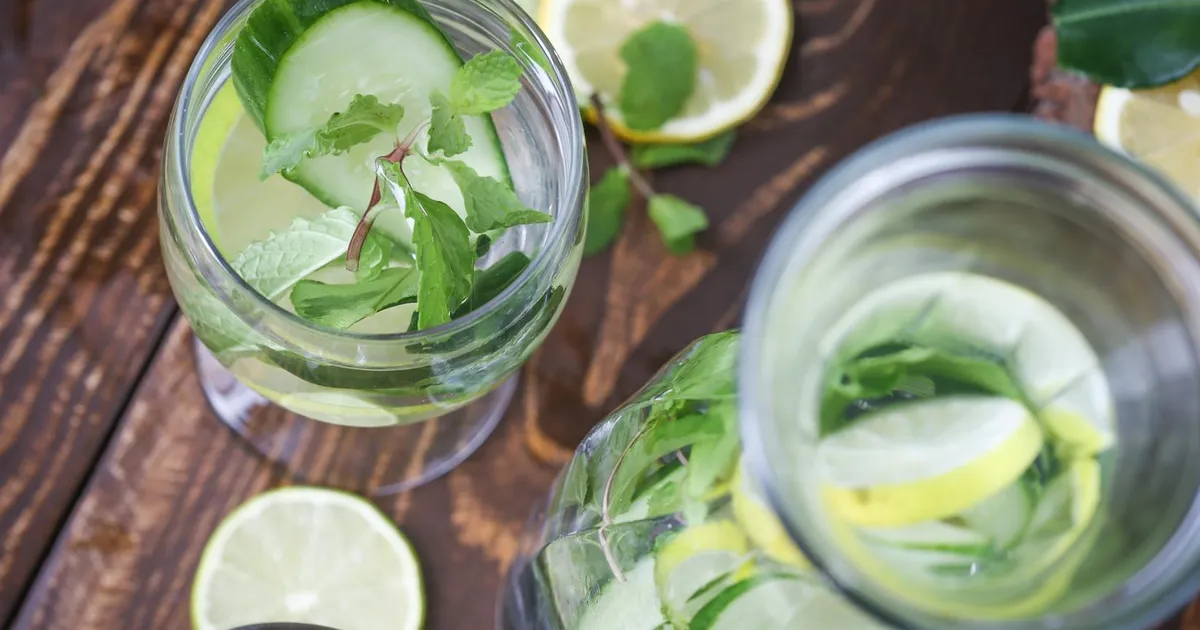
- Drink Herbal Teas: Sip on dandelion root tea or milk thistle tea 1-2 times daily; research suggests these herbs may support liver health.
- Limit Processed Foods and Alcohol: Reduce intake of refined sugars, unhealthy fats, and alcohol, which place a burden on liver processing.
Who Should Try It
- Individuals Seeking General Wellness: Those looking to support their body’s natural detoxification pathways through dietary changes.
- People with Unhealthy Dietary Habits: Individuals wanting to transition to a more balanced, whole-food diet.
- Those Experiencing Mild Fatigue: If you feel generally sluggish, a focus on liver-supportive foods might help, but consult a doctor first.
Who Should Avoid It
- Pregnant or Breastfeeding Individuals: Restrictive diets or herbal supplements can harm the baby.
- Individuals with Liver Disease: Conditions like cirrhosis, hepatitis, or fatty liver disease require medical supervision, not self-treatment.
- People on Medications: Certain herbs can interact with prescription drugs; consult a doctor or pharmacist before starting.
- Diabetics or Those with Kidney Disease: These conditions require careful dietary management and medical oversight.
FAQ
Q: How long should I follow a natural liver cleanse? A: Focus on sustainable dietary habits rather than short-term “cleanses.” Incorporate liver-supportive foods daily for long-term benefits, consulting your healthcare provider for any protocol lasting more than 3 days.
Q: Can I combine a liver cleanse with the Master Cleanse? A: The Master Cleanse is a restrictive fasting protocol, and adding other “cleanse” elements is generally not recommended without medical supervision due to potential nutrient deficiencies and side effects. Learn more about How To Do The Master Cleanse Safely.
Q: Are there specific foods to avoid during a liver cleanse? A: To support liver health, minimize alcohol, highly processed foods, sugary drinks, and foods high in unhealthy saturated and trans fats.
Q: How much lemon water should I drink for liver support? A: The juice of 1 lemon (~2 tablespoons) mixed with 8-16 ounces of warm water once or twice daily is a common recommendation for general hydration and liver support. More details are available in Lemon Water Detox Benefits.
Q: Will a liver cleanse help me lose weight? A: While some restrictive cleanses may lead to temporary weight loss due to fluid and waste reduction, sustainable weight loss requires long-term dietary changes and increased physical activity, not short-term cleanses.